


Understanding Essential Gun Components: A Comprehensive Guide

When it comes to firearms, understanding the essential gun components is crucial for safe handling, maintenance, and effective use. Whether you are a beginner or an experienced shooter, knowing the parts of a gun and how they work together can enhance your confidence and proficiency. This guide breaks down the key components of a firearm, explaining their functions and offering practical tips for care and use.
The Frame: The Foundation of Your Firearm
The frame is the backbone of any gun. It holds all the other parts together and provides the structure needed for operation. In handguns, the frame includes the grip, trigger guard, and housing for the firing mechanism. For rifles and shotguns, the frame is often referred to as the receiver.
The frame is typically made from metal or polymer materials, chosen for durability and weight considerations. A well-built frame ensures the gun can withstand repeated firing without losing integrity.
Practical Tip: Regularly inspect the frame for cracks or signs of wear, especially around the grip and trigger guard. A damaged frame can affect accuracy and safety.
Essential Gun Components: Barrel, Slide, and Trigger Mechanism
Understanding the core moving parts is vital. The barrel, slide, and trigger mechanism work in harmony to fire a bullet accurately and safely.
Barrel: The barrel is the metal tube through which the bullet travels when fired. It is rifled inside to impart spin to the bullet, stabilizing it for better accuracy. Barrel length affects velocity and handling; longer barrels generally provide higher velocity and better accuracy but can be less maneuverable.
Slide: Found on semi-automatic pistols, the slide houses the firing pin and extractor. It moves backward and forward during firing to eject spent cartridges and chamber a new round.
Trigger Mechanism: This includes the trigger, sear, and hammer or striker. Pulling the trigger releases the hammer or striker, which strikes the firing pin to ignite the primer in the cartridge.
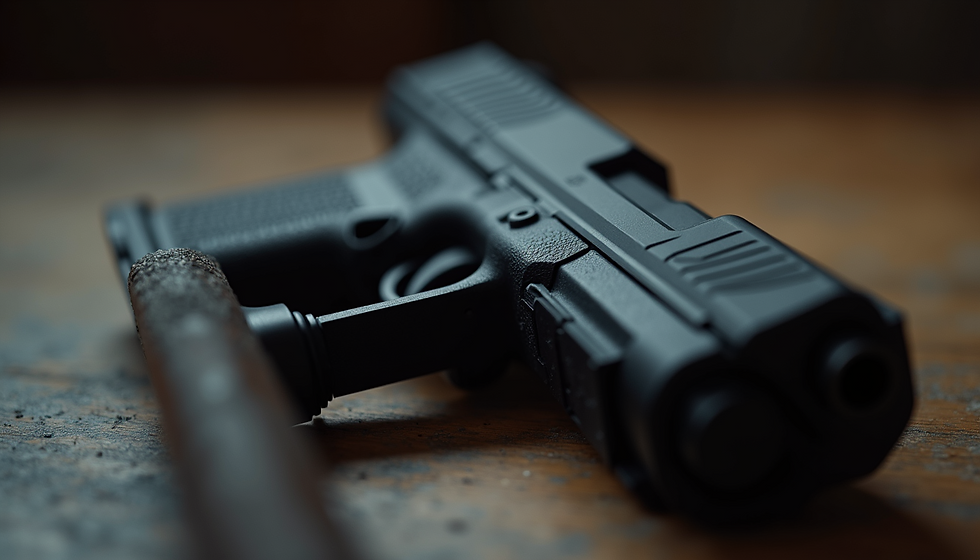
Example: In a Glock pistol, the polymer frame supports a steel slide that cycles with each shot, while the trigger mechanism uses a striker-fired system for consistent pull weight.

Understanding the Magazine and Ammunition Feeding System
The magazine is a critical component that stores and feeds ammunition into the firearm. It can be detachable or fixed, depending on the gun type.
Detachable Magazines: Common in handguns and rifles, these magazines can be quickly removed and replaced, allowing for faster reloading.
Fixed Magazines: Often found in older or specialized firearms, these require manual loading of rounds.
The feeding system ensures that each cartridge is properly aligned and pushed into the chamber by the magazine spring and follower.
Actionable Recommendation: Always use magazines compatible with your firearm model. Using the wrong magazine can cause feeding issues and malfunctions.
The Safety Mechanisms: Protecting You and Others
Safety is paramount when handling firearms. Most guns include one or more safety features designed to prevent accidental discharge.
Manual Safety: A lever or button that physically blocks the trigger or firing mechanism.
Trigger Safety: A small lever integrated into the trigger that must be depressed for the trigger to move.
Grip Safety: Found on some pistols, this safety requires the shooter to firmly grip the firearm to disengage the safety.
Drop Safety: Internal mechanisms that prevent the gun from firing if dropped.
Example: The 1911 pistol features a manual thumb safety and a grip safety, providing multiple layers of protection.

Maintenance and Care of Your Firearm Components
Proper maintenance extends the life of your firearm and ensures reliable performance. Here are some essential tips:
Regular Cleaning: After each use, clean the barrel, slide, and other moving parts to remove powder residue and debris.
Lubrication: Apply appropriate gun oil to moving parts to reduce friction and prevent rust.
Inspection: Check for worn or damaged parts, especially springs and pins, and replace them as needed.
Storage: Store your firearm in a cool, dry place, preferably in a locked safe to prevent unauthorized access.
Pro Tip: Use a cleaning kit designed for your specific firearm model to avoid damage.
Enhancing Your Knowledge of Gun Parts
Familiarizing yourself with gun parts can improve your shooting skills and safety awareness. Many manufacturers provide detailed manuals and diagrams that can help you identify each component and understand its function.
By investing time in learning about your firearm’s essential components, you gain the ability to troubleshoot issues, perform basic repairs, and customize your gun to better suit your needs.
Final Thoughts on Essential Gun Components
Mastering the knowledge of essential gun components empowers you to handle firearms responsibly and confidently. From the frame to the safety mechanisms, each part plays a vital role in the firearm’s operation. Regular maintenance and proper handling ensure your gun remains reliable and safe for years to come.
Whether you are preparing for target shooting, hunting, or personal defense, understanding these components is the foundation of firearm proficiency. Keep learning, stay safe, and respect the power of your firearm.


Comments